Japanese Strawberries, Grown in the Heart of Bangkok
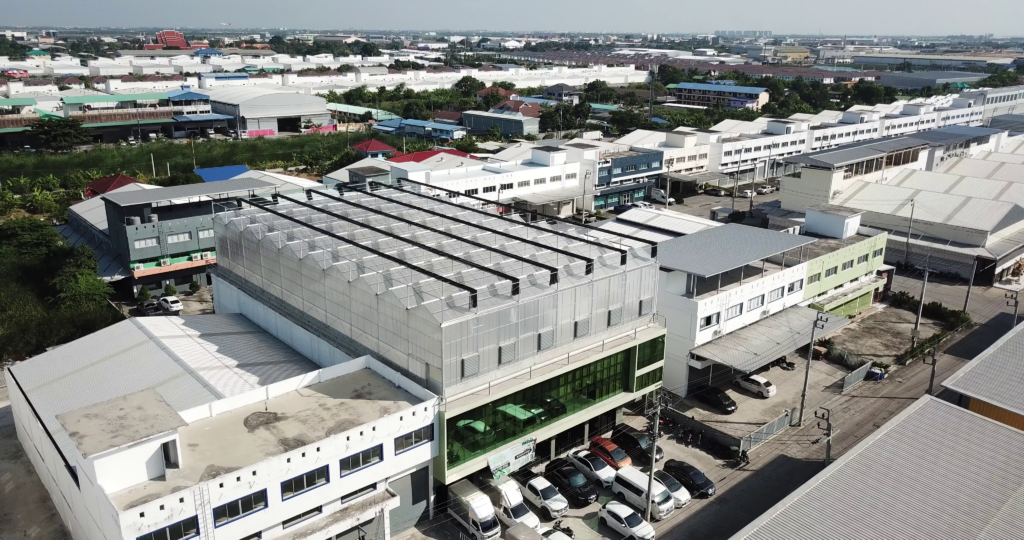
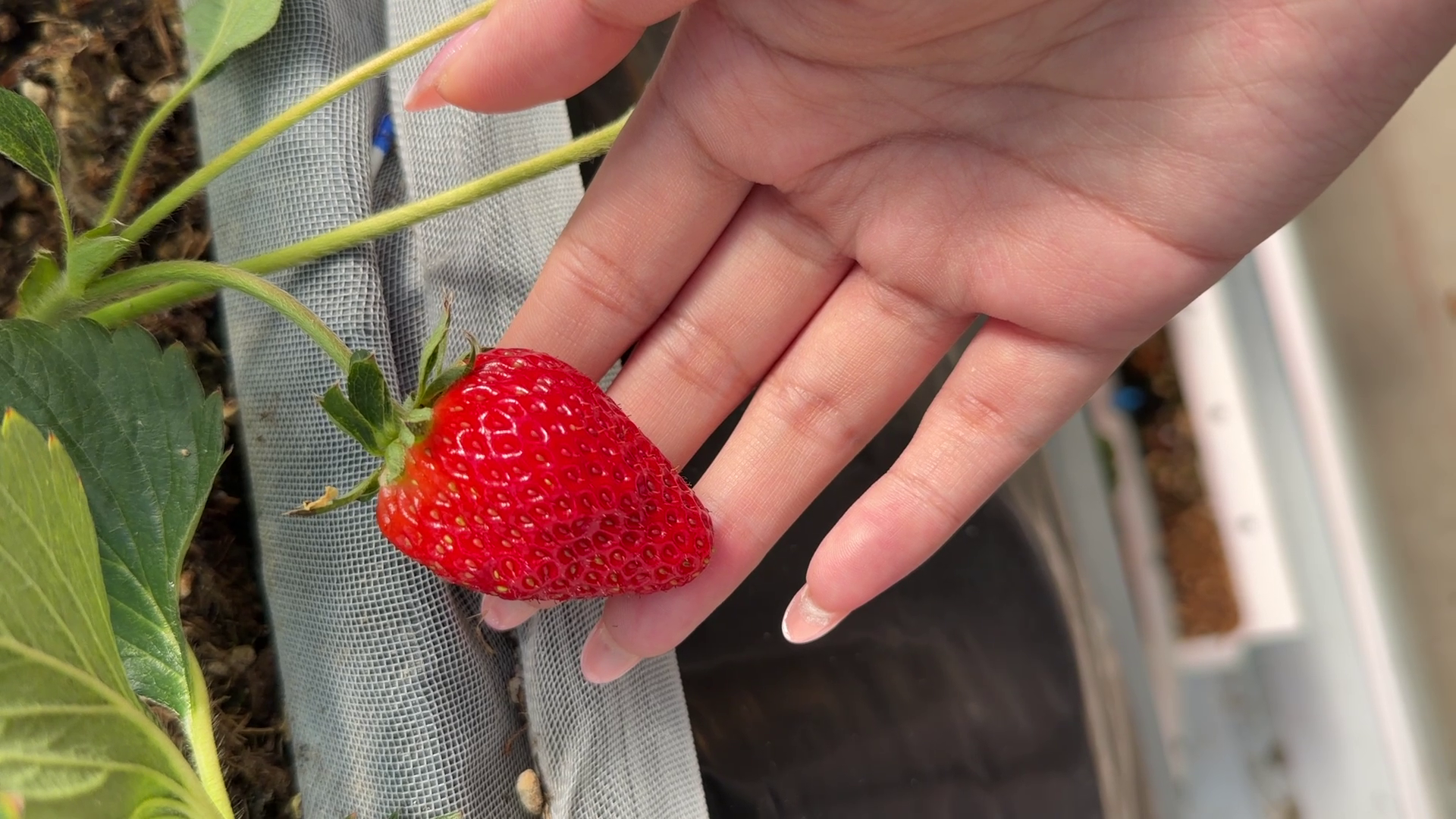
Bangkok is not an obvious place to grow Japanese strawberries. Heat and humidity are high all year, and the fruit is bred for far cooler conditions. Yet on this rooftop, a Speedy Access greenhouse holds roughly 12,000 strawberry plants and harvests through every season. The farm pairs Speedy’s greenhouse engineering with the cultivation know-how of a Japanese partner, and uses the TrolMaster Green-X (GCS-1) to tie the whole climate system together. The aim was never to copy a Japanese winter. It was to build conditions the crop can thrive in and a farm that makes economic sense in Thailand.
Overzicht
Haru Farm – Rooftop Strawberry, Bangkok, Thailand
Facility
Rooftop Greenhouse
Crop
Japanese Strawberries
Challenges
One Greenhouse, Many Climates: Morning sun reaches the east side first, so it warms up and gets too bright while the west side is still cool and dim. A single setting for the whole structure treats both sides wrongly.
Heat and Humidity: Thailand’s climate demands constant air movement, but fans locked at one speed burn electricity even when conditions are mild.
Gray, Rainy Days: Cloud and rain cut the light the plants receive, putting steady year-round harvests at the mercy of the weather.
Hours of Routine Work: Opening shade screens, switching fans, adjusting vents, running irrigation, and walking the greenhouse to check readings all take staff time.
Every system, one brain.
A Single Controller Behind the Whole Greenhouse
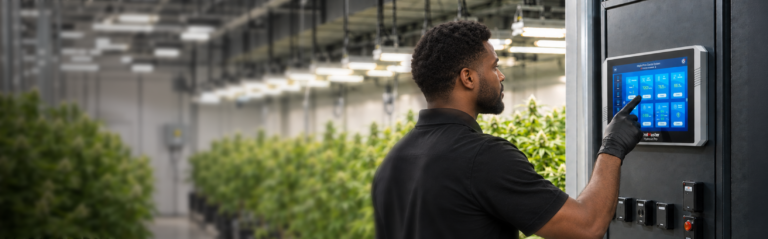
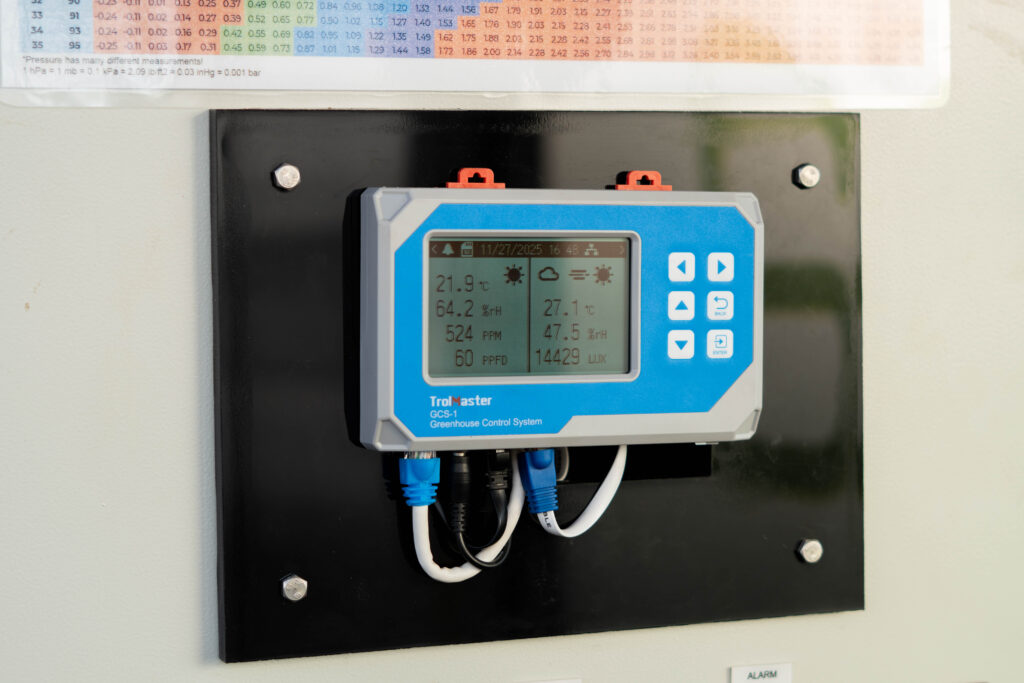
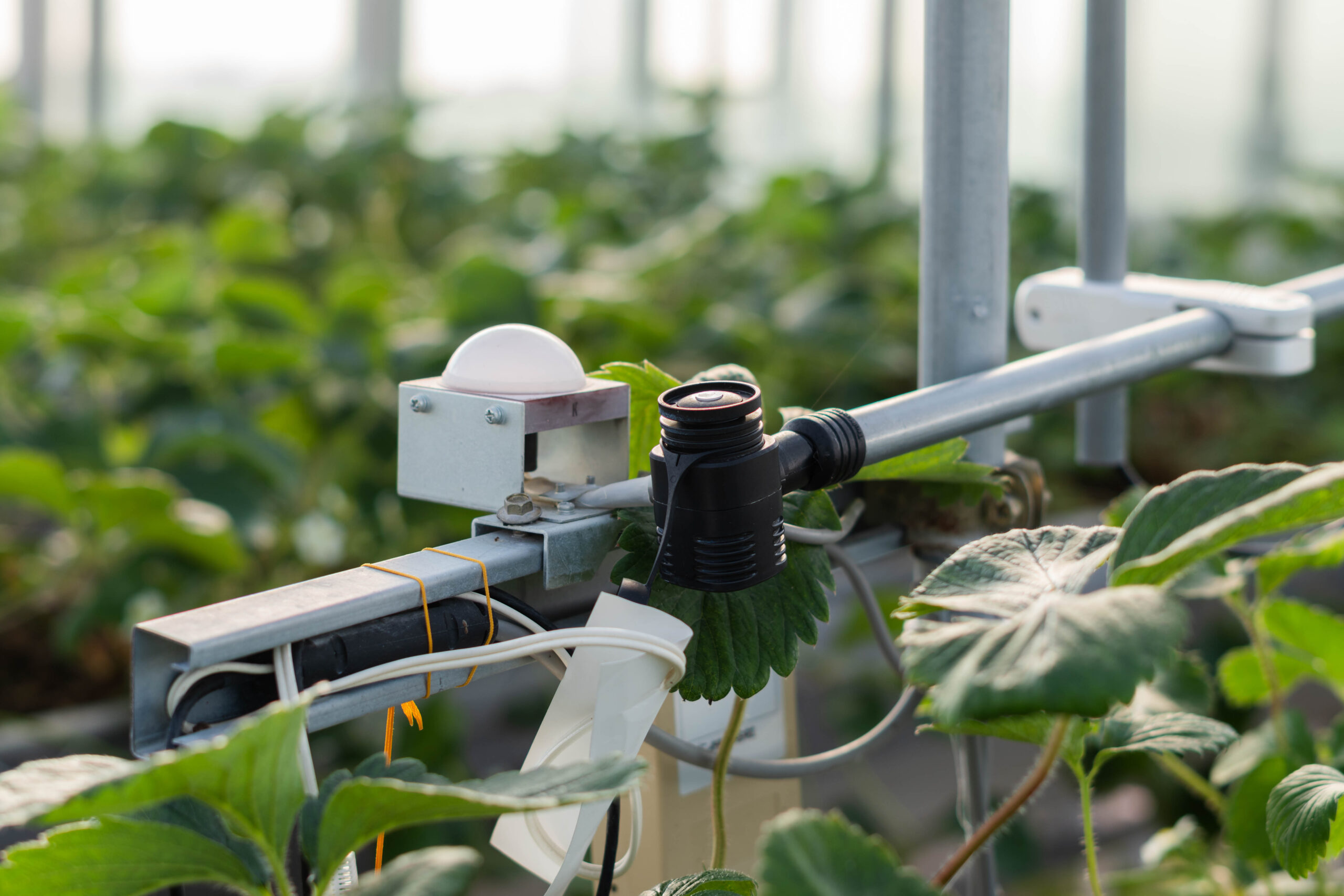
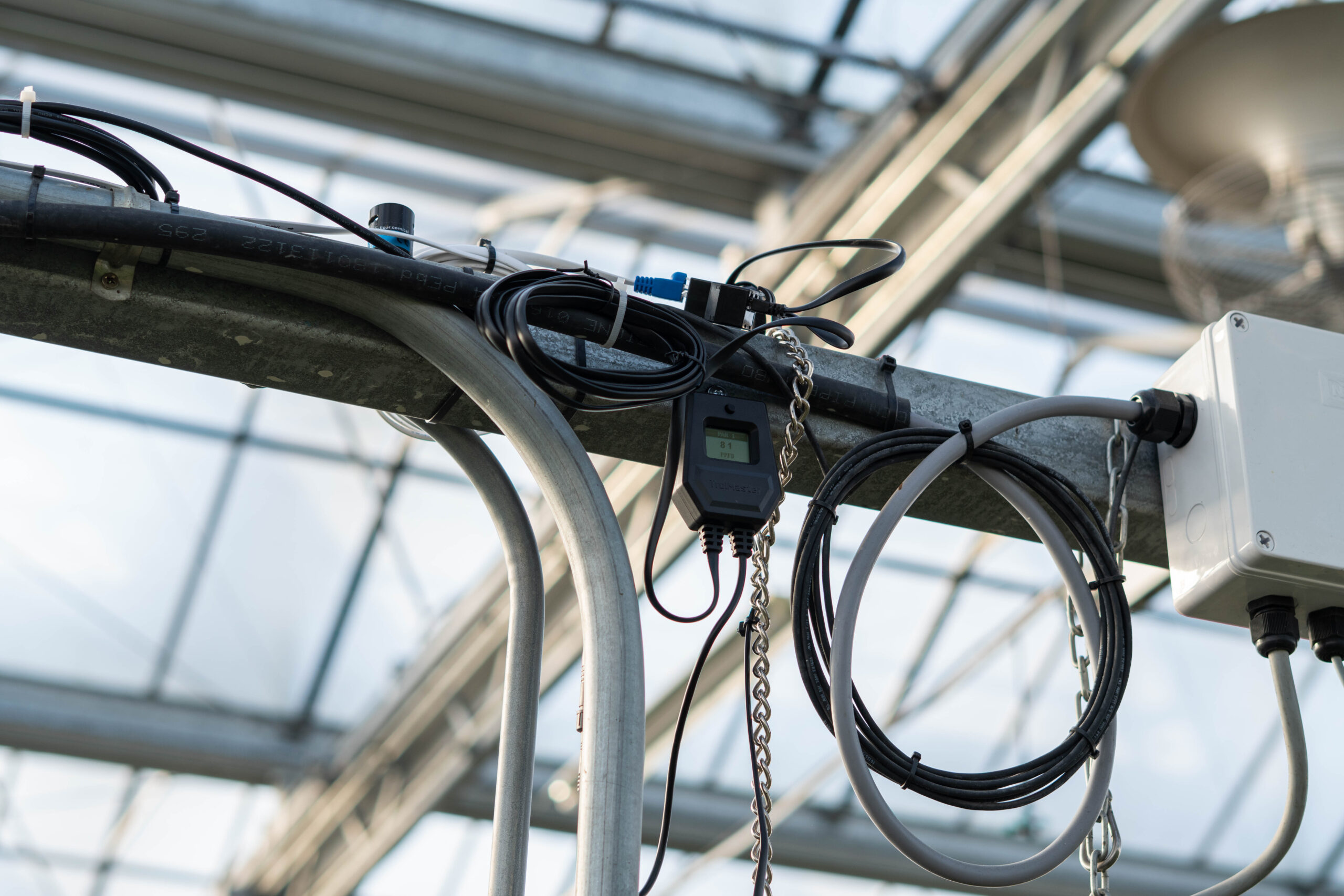
Cooling pads, fans, two layers of shade screens, grow lights, air conditioning, irrigation, and fertigation each do a different job. Green-X is the controller that makes them act as a team. This compact unit reads temperature, humidity, and conditions both inside and outside the structure, then directs the equipment accordingly. Its modular design means each device plugs into a control module, so there is no tangle of hundreds of individual wires and the local crew can install and extend the system with ease.



Built for Multi-Dimensional Monitoring
Responding to Every Need
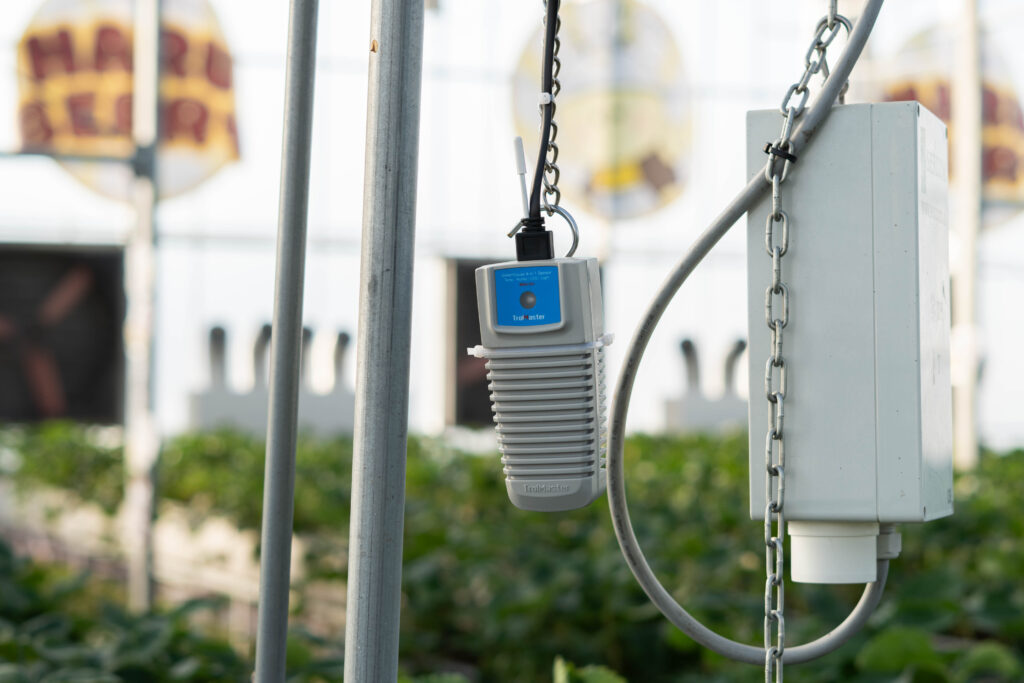
The old approach relies on rigid, single-function monitoring. The TrolMaster Green-X (GCS-1) shifts that paradigm with a highly accurate, all-in-one device built around versatile sensors. Designed to grow as you need, it lets you easily add or adjust sensors for your exact cultivation demands. Installation is easy with a plug-and-play setup requiring no complex configuration. Whether tracking shifting sunlight, rising heat, or fluctuating humidity, the sensor delivers precise data that lets connected equipment respond instantly to help your crops thrive.
| What the system does | |||
|---|---|---|---|
|
What’s happening
|
How Green-X reacts
|
|
|
|
Strong morning sun on the east side
|
Shade screens adjust
|
|
|
|
East side heats up
|
Airflow increases
|
|
|
|
West side is dim
|
Shading stays open
|
|
|
|
Greenhouse warms overall
|
Ventilation and cooling step up
|
|
|
|
Humidity climbs
|
Air circulation increases
|
|
|
|
Natural light drops
|
Grow lights switch on
|
|
|
|
|
|
|
|
Key Results
Even growing conditions across the full structure (Multi-sensor zone control of shading, airflow, and cooling)
“Thailand has a hot and humid climate. Having good airflow and ventilation inside the greenhouse helps plants transpire effectively and supports healthy growth.” — CEO, Speedy Access
Green-X + Aero-Fan
Fans That Adapt Instead of Idling at Full Speed
Moving air lets plants shed moisture and stay healthy, which matters a great deal in a humid climate. With Aero-Fan control managed through Green-X, fan speed follows the temperature and humidity targets the grower sets: faster when the greenhouse needs it, slower when it doesn’t. The farm did not have to buy new fans either. Its existing fans were upgraded with variable-speed control, which cut power use noticeably while improving air movement.
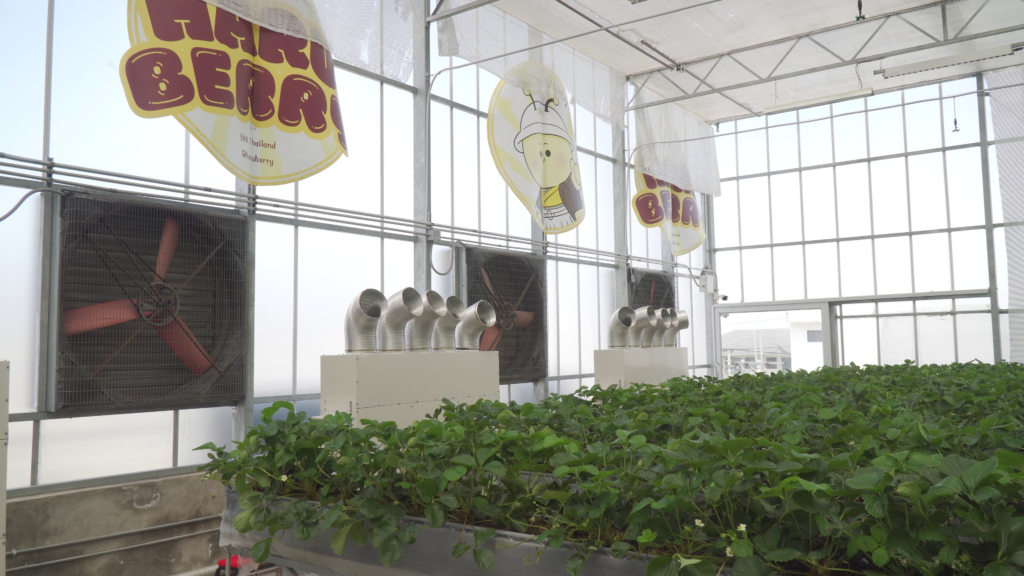
Key Results
Lower electricity use (Existing fans reused with variable-speed control)
“When fans can adjust their speed according to the temperature or humidity inside the greenhouse, air can circulate more effectively while minimizing energy consumption.” — CEO, Speedy Access
Cool by Day, Stronger by Night
Matching the Method to the Moment
A colder greenhouse is not automatically a better one. The target is a temperature that suits the crop, works for the local climate, and keeps costs sensible across all twelve months. In daylight, evaporative cooling with fans lowers the incoming air by roughly 4–7°C. When more cooling is needed, mainly overnight, air conditioning steps in, so the energy-hungry option runs only when it must. Overhead, external and internal shade screens share the work: the outer layer stops heat before it reaches the roof, and the inner layer fine-tunes light and holds in the cool. When skies are overcast, grow lights make up the shortfall.
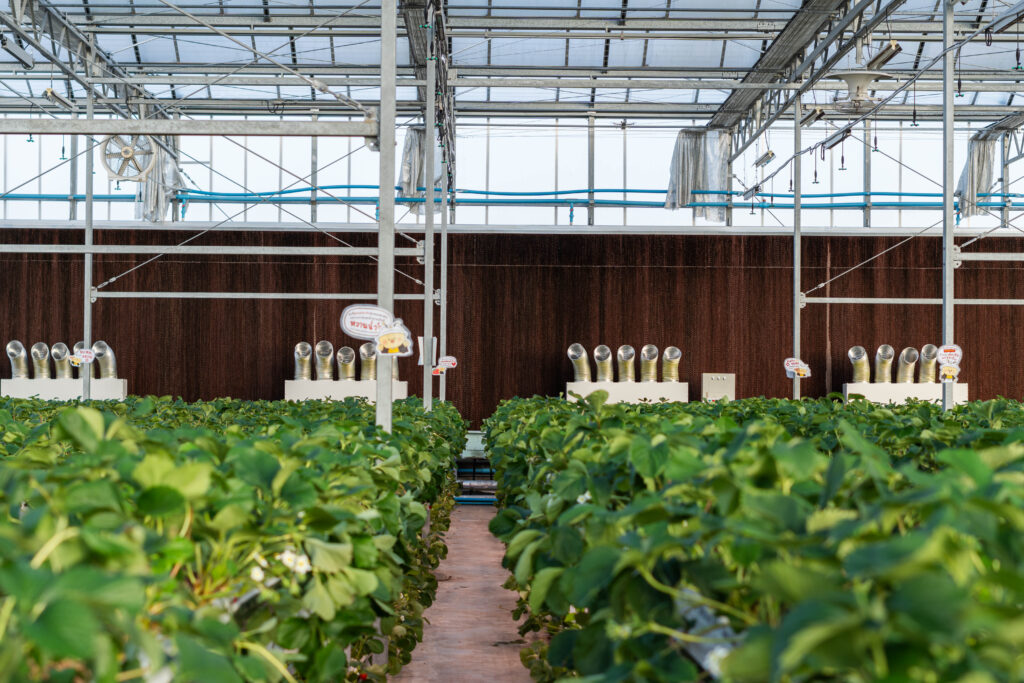
Key Results
4–7°C of cooling from the efficient daytime system (Evaporative cooling and fans)
“During the daytime, we use evaporative cooling together with fans to bring the greenhouse temperature down and maintain conditions suitable for the plants.” — CEO, Speedy Access
Proof of Every Condition
From Measurement to Printed Record
Growing under a production standard means showing what the greenhouse conditions were, not just controlling them. Green-X measures, records, stores, transfers, and prints climate data, giving the farm material for troubleshooting, refining cultivation, writing SOPs, keeping production records, and passing inspections. Monitoring also means problems surface early: if a reading leaves its range, the team is alerted rather than finding out on the next walk-through. With routine checks handled automatically, staff can spend their time on the plants.
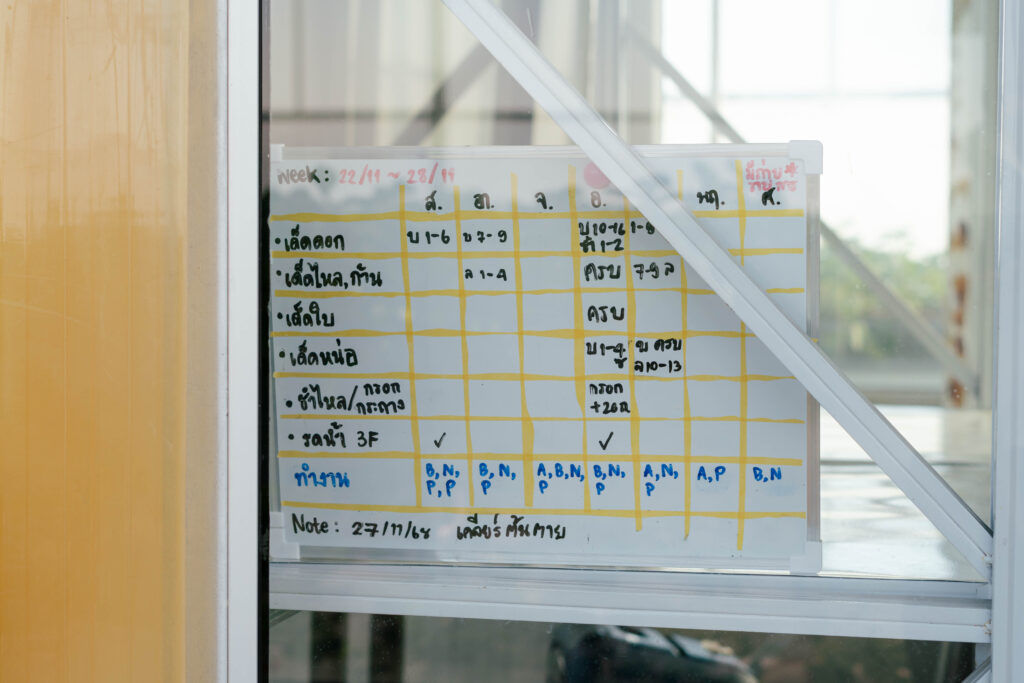
Key Results
Complete climate records for traceability and compliance (Continuous logging with out-of-range alerts)
“The data collected from the greenhouse can be reviewed and analyzed afterward to understand what happened in the greenhouse during that period.” — CEO, Speedy Access
Pick-Your-Own Berries, Pollinated by Bees
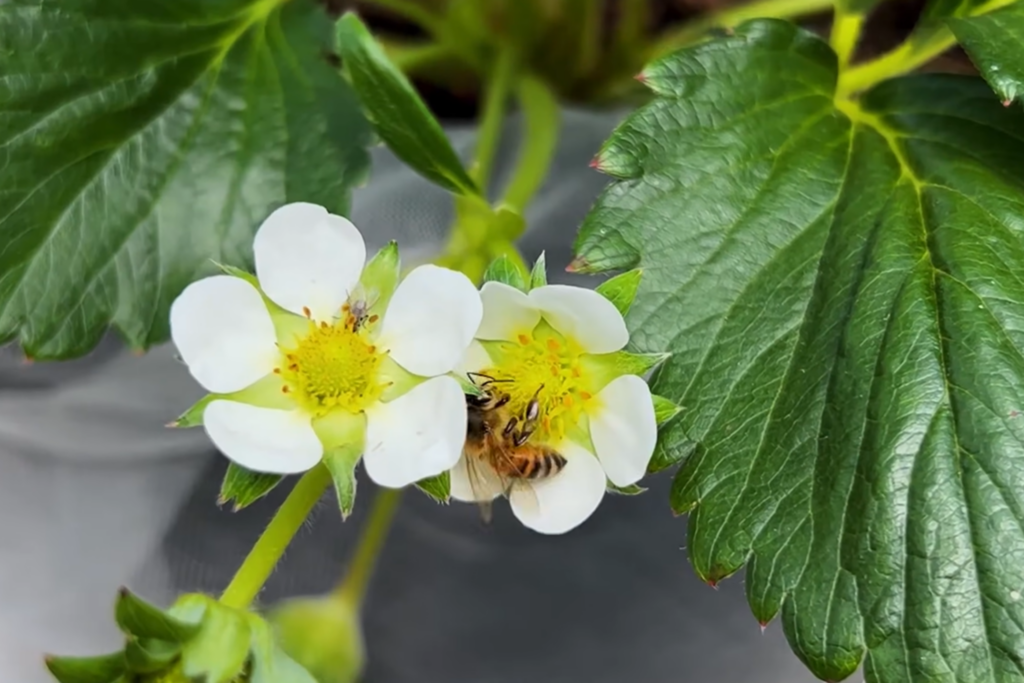
This greenhouse works with nature as well as technology. Bees live inside to pollinate the strawberry flowers, and the same temperature control that protects the plants keeps the bees working comfortably. Visitors can walk the rows and pick berries straight from the plant, and the farm does not use insecticides.
The project shows what a smart greenhouse really is: not a building packed with machines, but an environment where sensors, cooling, airflow, shading, lighting, irrigation, and data all pull in the same direction. TrolMaster’s approach is simple to say and hard to do well: sense, decide, act, record.
From Traditional Farmer to AgTech Innovator: Rooftop Strawberry Farming
How do you grow delicate, temperate Japanese strawberries in the middle of a scorching tropical metropolis? Look to the rooftops of Bangkok, where agtech pioneer Speedy Access is rewriting the rules of farming with an advanced, climate-controlled rooftop greenhouse.By replacing complex, expensive foreign hardware with localized, plug-and-play smart automation, they’ve turned intense tropical heat into a self-optimizing ecosystem. This innovative approach cuts power bills by 50% and slashes harvest times down to 17 days. Through data-driven precision, Speedy Access is proving that with the right technology, even the most sensitive premium crops can thrive anywhere in the world.
Wat houdt u bezig?
Vind nuttige hulpmiddelen en gedetailleerde informatie die u bij elke stap begeleiden.